

HSK · Level 110
45 words
Search Chinese words by characters, pinyin or English meaning.
Dictionaries
Quick links
Browse
 MotiSpiOfficial conversation app

Chinese word
Pinyinkū lóng
我不小心把衣服弄破了,出现了个窟窿。wǒ bù xiǎo xīn bǎ yī fú nòng pò le chū xiàn le gè kū lóng
I accidentally tore my clothes, and a hole appeared.
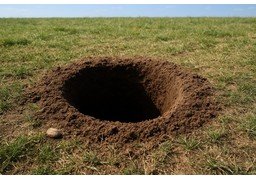
审计查出预算里有窟窿。shěn jì chá chū yù suàn lǐ yǒu kū lóng
An audit found a hole in the budget.
A small gap where a surface is no longer whole, exposing empty space.
查出窟窿chá chū kū lóng
find a hole
预算里出现窟窿yù suàn lǐ chū xiàn kū lóng
a hole appears in the budget
衣物起了个窟窿yī wù qǐ le gè kū lóng
develop a hole in clothing
洞dòng: A hollow space with an open mouth in the ground, a wall, or an object.
孔kǒng: A usually round, small opening made in the surface of an object.
裂缝liè fèng: A narrow, lengthwise crack or split in something that has broken or torn.
缝隙fèng xì: A small, narrow space between things or at the place where materials meet.
物体表面出现的孔洞或破口,常指小而明显的洞。wù tǐ biǎo miàn chū xiàn de kǒng dòng huò pò kǒu cháng zhǐ xiǎo ér míng xiǎn de dòng
窟 (kū, "cave") + 窿 (lóng, "cavity") combines two hollow-space ideas into an everyday noun for an opening in something solid.