

HSK · Level 2
130 words
Search Chinese words by characters, pinyin or English meaning.
Dictionaries
Quick links
Browse
 MotiSpiOfficial conversation app

Chinese word
Pinyindòng
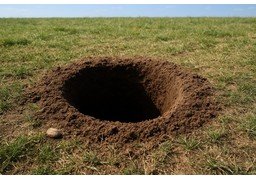
这个洞很深,我看不见底。zhè ge dòng hěn shēn wǒ kàn bú jiàn dǐ
This hole is very deep, and the bottom is out of sight.
山洞里发现了古老的壁画。shān dòng lǐ fā xiàn le gú lǎo de bì huà
Ancient murals were discovered inside the mountain cave.
A hollow opening that leads into or through solid material, ranging from a small break to a space large enough to enter.
洞口dòng kǒu
entrance to a cave
山洞里shān dòng lǐ
inside a mountain cave
孔kǒng: A small, often round hole made in an object, usually with a tool or machine.
洞穴dòng xué: A large natural hollow in the ground or rock that people or animals may enter.
坑kēng: A deep, narrow pit or hollow in the ground, often related to digging or mining.
窟窿kū lóng: A small opening, dent, or tear on an object's surface.
指物体表面或内部的孔隙或穿通处,大小不定,从细小孔洞到可以进入的洞穴都可称为洞。zhǐ wù tǐ biǎo miàn huò nèi bù de kǒng xì huò chuān tōng chù dà xiǎo bú dìng cóng xì xiǎo kǒng dòng dào ké yǐ jìn rù de dòng xué dōu kě chēng wéi dòng
洞 (dòng, "hole") is formed from 氵 (shuǐ, "water"), which supplies the meaning link, and 同 (tóng, "same"), which supplies the pronunciation.