

Chinese Conversation · Level 21
90 words
Search Chinese words by characters, pinyin or English meaning.
Dictionaries
Quick links
Browse
 MotiSpiOfficial conversation app

Chinese word
Pinyinkōng zhì
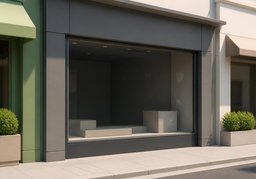
商店搬走后,店面就空置了。shāng diàn bān zǒu hòu diàn miàn jiù kōng zhì le
After the store moved, the storefront was left vacant.
很多旧楼的上层房屋长期空置,影响市容。hěn duō jiù lóu de shàng céng fáng wū cháng qī kōng zhì yíng xiǎng shì róng
The upper-floor homes in many old buildings have been vacant for a long time, affecting the cityscape.
A physical space remains empty and unused after people move out.
房屋空置fáng wū kōng zhì
housing left vacant
仓库空置cāng kù kōng zhì
warehouse left vacant
土地空置tǔ dì kōng zhì
land left vacant
闲置xián zhì: Stay unused, referring to a thing or place that is available but not being put to use.
空着kōng zhe: Be unoccupied at the present time, as with a seat or room.
腾出téng chū: Make room or free up time for someone else or another use.
指房屋、店面等没有人居住或使用,处于未被占用的状态。zhǐ fáng wū diàn miàn děng méi yǒu rén jū zhù huò shǐ yòng chǔ yú wèi bèi zhàn yòng de zhuàng tài
空 (kōng, "empty") + 置 (zhì, "place") forms a compound that presents a place as left in an unoccupied state.