

Chinese Conversation · Level 42
90 words
Search Chinese words by characters, pinyin or English meaning.
Dictionaries
Quick links
Browse
 MotiSpiOfficial conversation app

Chinese word
Pinyinzhàn yòng
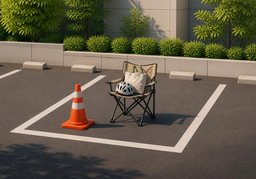
这个停车位被别人占用了。zhè ge tíng chē wèi bèi bié rén zhàn yòng le
This parking space is occupied by someone else.
施工材料临时堆放,占用了人行道。shī gōng cái liào lín shí duī fàng zhàn yòng le rén xíng dào
Construction materials have been temporarily piled up, occupying the sidewalk.
A person or thing takes a place, time span, or resource for its own use without necessarily owning it.
占用停车位zhàn yòng tíng chē wèi
occupy a parking space
占用时间zhàn yòng shí jiān
occupy time
占用公共资源zhàn yòng gōng gòng zī yuán
occupy public resources
占据zhàn jù: Fills and holds a specific place, position, or area.
占领zhàn lǐng: Takes control of a territory or region through military force.
占有zhàn yǒu: Keeps an object or right as one's own.
在空间、时间或物品上先行占据并用作个人需要,并不必然等同于对该物的所有权。zài kōng jiān shí jiān huò wù pǐn shàng xiān xíng zhàn jù bìng yòng zuò gè rén xū yào bìng bú bì rán děng tóng yú duì gāi wù de suó yǒu quán
占用 (zhànyòng, "occupy for use") combines 占 (zhàn, "take or occupy") with 用 (yòng, "use"), linking taking something with putting it to use.