

Chinese Conversation · Level 22
90 words
Search Chinese words by characters, pinyin or English meaning.
Dictionaries
Quick links
Browse
 MotiSpiOfficial conversation app

Chinese word
Pinyinyìng
这块肉太硬,咬不动。zhè kuài ròu tài yìng yǎo bú dòng
This piece of meat is too hard to chew.
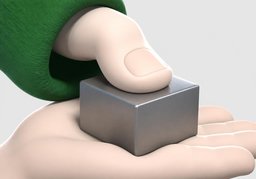
这块牛排太硬了,刀切不开。zhè kuài niú pái tài yìng le dāo qiē bù kāi
This piece of steak is too hard for a knife to cut.
Resists pressure instead of yielding, whether as a solid texture or an unbending stance.
太硬了tài yìng le
too hard
硬得咬不动yìng de yǎo bú dòng
too hard to chew
结实jiē shí: Solidly made or physically robust, with the strength to withstand regular use.
坚固jiān gù: Built to remain firm and steady without easily breaking or collapsing.
坚硬jiān yìng: Made of material so hard that force causes little bending or indentation.
僵硬jiāng yìng: Held stiffly instead of moving smoothly, making the body or expression look unnatural.
形容表面或内部结构坚固、不易变形,也可比喻态度或做法坚定、不灵活。xíng róng biǎo miàn huò nèi bù jié gòu jiān gù bú yì biàn xíng yě kě bǐ yù tài dù huò zuò fǎ jiān dìng bù líng huó
硬 (yìng, "hard") is a phono-semantic character formed from 石 (shí, "stone"), suggesting firmness, and 更 (gèng, "more"), which supplies the sound.