

HSK · Level 21
135 words
Search Chinese words by characters, pinyin or English meaning.
Dictionaries
Quick links
Browse
 MotiSpiOfficial conversation app

Chinese word
Pinyinyìng lǎng
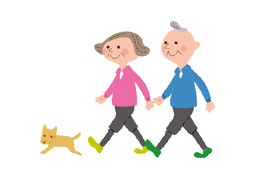
奶奶年纪大,但很硬朗。nái nǎi nián jì dà dàn hěn yìng lǎng
Grandma is old, but she is very healthy.
手术后,他的身体逐渐恢复,变得很硬朗。shǒu shù hòu tā de shēn tǐ zhú jiàn huī fù biàn de hěn yìng lǎng
After the operation, his body gradually recovered and became very healthy.
A person with a strong, solid body and energy that does not easily flag.
身体很硬朗shēn tǐ hěn yìng lǎng
very healthy
面色硬朗miàn sè yìng lǎng
a healthy complexion
显得硬朗xiǎn de yìng lǎng
look vigorous
健康jiàn kāng: Having good physical or mental health without illness.
强壮qiáng zhuàng: Strongly built and physically powerful, with prominent muscles.
结实jiē shí: Sturdy and well-built, with a body that is strong and firm.
有活力yǒu huó lì: Showing plenty of energy and vigor in movement or behavior.
体格结实、精力充沛,不显得虚弱或疲惫,多用于评价身体状况良好的人。tǐ gé jiē shí jīng lì chōng pèi bù xiǎn de xū ruò huò pí bèi duō yòng yú píng jià shēn tǐ zhuàng kuàng liáng hǎo de rén
硬 (yìng, "firm") + 朗 (lǎng, "bright and clear") brings together bodily solidity and a lively, clear condition.