

HSK · Level 118
45 words
Search Chinese words by characters, pinyin or English meaning.
Dictionaries
Quick links
Browse
 MotiSpiOfficial conversation app

Chinese word
Pinyinhuáng shàng
大家在戏里叫皇上。dà jiā zài xì lǐ jiào huáng shàng
In the play, everyone calls him the emperor.
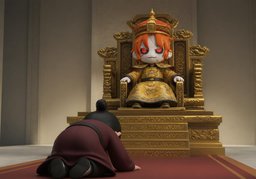
皇上坐在龙椅上。huáng shàng zuò zài lóng yǐ shàng
The emperor is sitting on the dragon throne.
A ruler placed at the highest point of a realm, addressed with formal respect and awe.
受皇上宠爱shòu huáng shàng chǒng ài
be favored by the emperor
被皇上赏识bèi huáng shàng shǎng shí
be recognized by the emperor
忤逆皇上wǔ nì huáng shàng
defy the emperor
皇帝huáng dì: The supreme ruler of an empire who occupies the imperial throne.
陛下bì xià: A respectful form of address for a king or other monarch.
国王guó wáng: The monarch who rules a kingdom as its head of state.
君主jūn zhǔ: A general term for a sovereign ruler with authority over a state.
对在位皇帝的礼貌称呼,带有恭敬和敬畏的含义,多见于古代史书和文艺作品中。duì zài wèi huáng dì de lǐ mào chēng hū dài yǒu gōng jìng hé jìng wèi de hán yì duō jiàn yú gǔ dài shǐ shū hé wén yì zuò pǐn zhōng
皇上 (huángshàng, "emperor above") combines 皇 (huáng, "imperial") with 上 (shàng, "above"), making a respectful title that places the emperor at the highest rank.