

HSK · Level 19
135 words
Search Chinese words by characters, pinyin or English meaning.
Dictionaries
Quick links
Browse
 MotiSpiOfficial conversation app

Chinese word
Pinyinguó wáng
孩子们在书里读到国王的故事。hái zi men zài shū lǐ dú dào guó wáng de gù shì
The children read a story about the king in a book.
国王登基后,全国举行了盛大的庆典。guó wáng dēng jī hòu quán guó jǔ xíng le shèng dà de qìng diǎn
After the king ascended the throne, grand celebrations were held throughout the country.
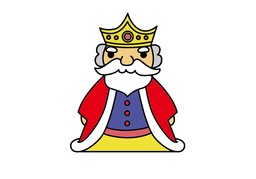
The highest-ranking male ruler in a monarchy, standing at the center of the country's power and royal identity.
国王登基guó wáng dēng jī
ascend the throne
国王下令guó wáng xià lìng
issue an order
国王的权力guó wáng de quán lì
the king's power
王wáng: A broad, traditional title for a ruler of a country or region.
皇帝huáng dì: A title for the highest ruler of a large empire spanning several peoples or territories.
君主jūn zhǔ: A general term for a country's supreme ruler and the authority of that office.
元首yuán shǒu: The official head of a country who represents it and holds its highest public authority.
在一个国家范围内被认为拥有最高统治权的君主称呼,常用于指历史或仍保留君主制国家的国家元首。zài yí gè guó jiā fàn wéi nèi bèi rèn wéi yōng yǒu zuì gāo tǒng zhì quán de jūn zhǔ chēng hū cháng yòng yú zhǐ lì shǐ huò réng bǎo liú jūn zhǔ zhì guó jiā de guó jiā yuán shǒu
国 (guó, "country") + 王 (wáng, "ruler") forms a term for the ruler who stands above a whole country.