

HSK · Level 30
135 words
Search Chinese words by characters, pinyin or English meaning.
Dictionaries
Quick links
Browse
 MotiSpiOfficial conversation app

Chinese word
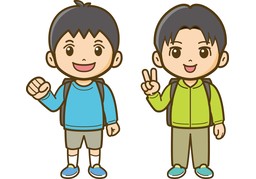
Pinyinnán háir
我家有两个男孩儿。wǒ jiā yǒu liǎng gè nán háir
My family has two boys.
小男孩儿在吃饭。xiǎo nán háir zài chī fàn
The little boy is eating.
A young male child spoken of with the easy warmth of family conversation.
两个男孩儿liǎng gè nán háir
two boys
小男孩儿xiǎo nán háir
little boy
男孩儿们nán háir men
boys
男孩nán hái: A general term for a boy, used in both speech and writing.
男孩子nán hái zi: An affectionate, gentle term for a boy who is still a child.
男生nán shēng: A term for a boy or young man, especially among students or friends.
孩子hái zi: A general term for a child without marking the child's gender.
口语中常用的名词,指年龄较小的男性,带有亲昵或口语色彩。kóu yǔ zhōng cháng yòng de míng cí zhǐ nián líng jiào xiǎo de nán xìng dài yǒu qīn nì huò kóu yǔ sè cǎi
男孩儿 (nánháier, "boy") is formed from 男 (nán, "male") + 孩 (hái, "child"), with 儿化 (érhuà, "r-like ending") marking a familiar spoken form.