

HSK · Level 101
45 words
Search Chinese words by characters, pinyin or English meaning.
Dictionaries
Quick links
Browse
 MotiSpiOfficial conversation app

Chinese word
Pinyinlǐ huì
别理会他。bié lǐ huì tā
Don't pay attention to him.
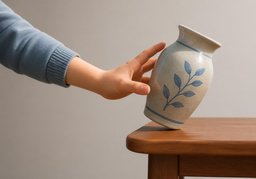
她不太理会别人的眼光,按自己的想法生活。tā bú tài lǐ huì bié rén de yǎn guāng àn zì jǐ de xiáng fǎ shēng huó
She cares little about other people's opinions and lives according to her own ideas.
A matter enters someone's consideration for understanding and response, while refusal to consider it gives the word its negative sense.
理会别人的眼光lǐ huì bié rén de yǎn guāng
care about other people's opinions
不理会批评bù lǐ huì pī píng
disregard criticism
注意zhù yì: Notice and take care with something by watching or listening closely.
理睬lí cǎi: Show that someone's words or actions have been noticed through a reaction or reply.
回应huí yìng: Give a reply or reaction to something that has been said or done.
把注意力放在某人或某事上,理解其情况并可能作出回应;在否定句中常用以表示不予理睬或不去搭理。bǎ zhù yì lì fàng zài mǒu rén huò mǒu shì shàng lí jiě qí qíng kuàng bìng kě néng zuò chū huí yìng zài fǒu dìng jù zhōng cháng yòng yǐ biǎo shì bù yú lí cǎi huò bú qù dā lǐ
理 (lǐ, "deal with") + 会 (huì, "understand") presents attention as both grasping a matter and deciding how to handle it.