

HSK · Level 126
15 words
Search Chinese words by characters, pinyin or English meaning.
Dictionaries
Quick links
Browse
 MotiSpiOfficial conversation app

Chinese word
Pinyinxī xī rǎng rǎng
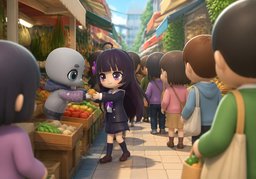
熙熙攘攘的市场让人很开心。xī xī ráng rǎng de shì chǎng ràng rén hěn kāi xīn
The bustling market makes people happy.
春节前夕,车站熙熙攘攘,旅客提着行李匆匆走过。chūn jié qián xī chē zhàn xī xī ráng rǎng lǚ kè tí zhe xíng lǐ cōng cōng zǒu guò
On the eve of the Spring Festival, the station was bustling, and travelers hurried by carrying their luggage.
A lively human scene where voices, movement, and bodies fill the available space.
熙熙攘攘的火车站xī xī ráng rǎng de huǒ chē zhàn
bustling train station
熙熙攘攘的广场xī xī ráng rǎng de guáng chǎng
bustling square
热闹rè nào: Describes an active, cheerful atmosphere created by many people and activities.
拥挤yōng jǐ: Describes dense crowding that leaves little room for movement.
喧闹xuān nào: Describes a noisy atmosphere that makes a place feel restless.
繁华fán huá: Describes a flourishing commercial area with busy streets and thriving businesses.
形容人很多、热闹并且拥挤的样子。xíng róng rén hěn duō rè nào bìng qiě yōng jǐ de yàng zi
熙 (xī, "flourishing and cheerful") is repeated to suggest abundant activity, while 攘 (rǎng, "to jostle") is repeated to suggest people moving closely together.