

HSK · Level 1
130 words
Search Chinese words by characters, pinyin or English meaning.
Dictionaries
Quick links
Browse
 MotiSpiOfficial conversation app

Chinese word
Pinyinní
孩子玩完后手上全是泥。hái zi wán wán hòu shǒu shàng quán shì ní
After the child finishes playing, their hands are covered in mud.
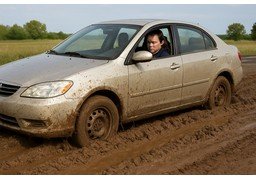
汽车驶过,路上留下了泥的车辙。qì chē shǐ guò lù shàng liú xià le ní de chē zhé
As the car drives past, it leaves muddy tire tracks on the road.
Wet earth that clumps and sticks when water binds soil together.
泥坑ní kēng
mud pit
泥沙ní shā
mud and sand
沾上泥zhān shàng ní
get muddy
泥巴ní bā: An informal name for mud, commonly used for dirt left on children's hands or clothes.
泥土ní tǔ: A mass of ground soil suitable for plants or construction.
泥浆ní jiāng: Nearly liquid mud with enough water to run, splash, or spread.
泥沙ní shā: Sediment made from a mixture of mud and sand.
由水和土混合形成的潮湿、粘稠的土块或物质。yóu shuǐ hé tǔ hùn hé xíng chéng de cháo shī nián chóu de tǔ kuài huò wù zhì
泥 (ní, "mud") is a phono-semantic character formed from 氵 (shuǐ, "water") + 尼 (ní, "nun"), with the left side marking a connection to wet earth and the right side supplying the sound.