

HSK · Level 2
130 words
Search Chinese words by characters, pinyin or English meaning.
Dictionaries
Quick links
Browse
 MotiSpiOfficial conversation app

Chinese word
Pinyinní tǔ
花盆里的泥土需要换新。huā pén lǐ de ní tǔ xū yào huàn xīn
The soil in the flowerpot needs to be replaced.
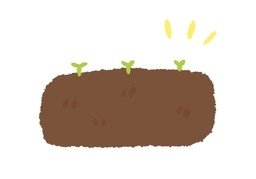
雨后,园地的泥土变得湿润,有利于植物生长。yǔ hòu yuán dì de ní tǔ biàn de shī rùn yǒu lì yú zhí wù shēng zhǎng
After the rain, the soil in the garden became moist, helping plants grow.
Earth made soft and sticky by water, with enough body to cling rather than crumble.
湿润的泥土shī rùn de ní tǔ
moist soil
沾有泥土zhān yǒu ní tǔ
covered in dirt
土tǔ: The usual dry earth that makes up the ground and may become hard in lumps.
泥ní: Very wet earth with a soft, sticky texture that can cling to surfaces.
土壤tú rǎng: Earth forming the plant-growing surface layer, especially when its nature or fertility matters.
含水较多、呈泥状且质地柔软的土,易粘附且不易散开。hán shuǐ jiào duō chéng ní zhuàng qiě zhì dì róu ruǎn de tǔ yì zhān fù qiě bú yì sàn kāi
泥 (ní, "mud") + 土 (tǔ, "soil") combines wet, sticky earth with the general word for earth, giving a noun for soil that holds together.