

HSK · Level 57
105 words
Search Chinese words by characters, pinyin or English meaning.
Dictionaries
Quick links
Browse
 MotiSpiOfficial conversation app

Chinese word
Pinyinmú yàng
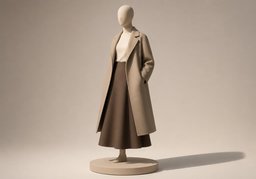
这件衣服的模样很特别。zhè jiàn yī fú de mú yàng hěn tè bié
This garment has a very distinctive look.
照片上的模样和本人不太一样。zhào piān shàng de mú yàng hé běn rén bú tài yí yàng
The way the person looks in the photo is a little different from how they look in real life.
The overall way a person or thing presents itself, including its visible form and current state.
长什么模样zhǎng shén me mú yàng
what it looks like
看上去的模样kàn shàng qù de mú yàng
its appearance
样子yàng zi: The way a person or thing generally looks or appears in a given state.
外貌wài mào: The appearance of a person's face and overall physical features.
外观wài guān: The shape, design, and visible surface of the outside of a thing.
长相zhǎng xiàng: The look of a person's face, especially its individual features.
指人或物的整体样子或外观,侧重于大致轮廓和给人的感觉而非细节。zhǐ rén huò wù de zhéng tǐ yàng zi huò wài guān cè zhòng yú dà zhì lún kuò hé gěi rén de gǎn jué ér fēi xì jié
模样 (múyàng, "look or condition") combines 模 (mó, "model or pattern") and 样 (yàng, "form or kind"), linking a general outward pattern with the state it shows.