

HSK · Level 110
45 words
Search Chinese words by characters, pinyin or English meaning.
Dictionaries
Quick links
Browse
 MotiSpiOfficial conversation app

Chinese word
Pinyinwú suǒ zuò wéi
你不能在问题面前无所作为,要想办法解决。nǐ bù néng zài wèn tí miàn qián wú suǒ zuò wéi yào xiǎng bàn fǎ jiě jué
You cannot simply do nothing when faced with a problem; you have to find a way to solve it.
长期无所作为会影响职业发展。cháng qī wú suǒ zuò wéi huì yíng xiǎng zhí yè fā zhǎn
Doing nothing for a long time can affect your career development.
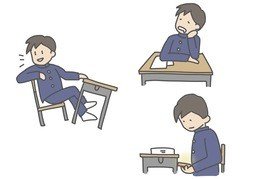
A person leaves an empty gap where useful action should be, showing withdrawal from a duty rather than ordinary rest.
无所作为的态度wú suǒ zuò wéi de tài dù
a do-nothing attitude
面对批评无所作为miàn duì pī píng wú suǒ zuò wéi
do nothing when faced with criticism
在改革面前无所作为zài gǎi gé miàn qián wú suǒ zuò wéi
do nothing when faced with reform
不作为bú zuò wéi: Failing to carry out a duty or responsibility that should be performed.
袖手旁观xiù shǒu páng guān: Standing by and watching a problem or crisis without helping or stepping in.
消极xiāo jí: Lacking motivation or initiative, with little desire to take action.
懈怠xiè dài: Being careless and slack in work or duties, without enough effort or attention.
面对问题或任务时不采取任何行动,也不承担相应责任的消极状态。miàn duì wèn tí huò rèn wù shí bù cái qǔ rèn hé xíng dòng yě bù chéng dān xiāng yìng zé rèn de xiāo jí zhuàng tài
The construction 无所 (wúsuǒ, "nothing to...") + 作为 (zuòwéi, "act or achieve") turns the lack of action into a description of a person's state.