

HSK · Level 116
45 words
Search Chinese words by characters, pinyin or English meaning.
Dictionaries
Quick links
Browse
 MotiSpiOfficial conversation app

Chinese word
Pinyinxiù shǒu páng guān
有人受伤了,大家不要袖手旁观。yǒu rén shòu shāng le dà jiā bú yào xiù shǒu páng guān
Someone is hurt, so no one should just stand idly by.
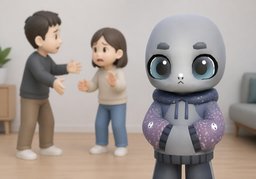
面对不公,他不能再袖手旁观,决定站出来发声。miàn duì bù gōng tā bù néng zài xiù shǒu páng guān jué dìng zhàn chū lái fā shēng
When faced with injustice, he can no longer stand idly by and has decided to speak out.
Hands stay tucked into the sleeves while a problem unfolds nearby, showing passive watching instead of helping.
对问题袖手旁观duì wèn tí xiù shǒu páng guān
remain a bystander to a problem
不能再袖手旁观bù néng zài xiù shǒu páng guān
be unable to stand by any longer
对危难袖手旁观duì wēi nàn xiù shǒu páng guān
remain a bystander in the face of danger
坐视不救zuò shì bú jiù: Looking on when someone needs help but choosing not to offer assistance.
冷眼旁观léng yǎn páng guān: Observing a situation calmly from the side while showing little feeling or concern.
置之不理zhì zhī bù lǐ: Paying no attention to a problem or request and taking no steps to handle it.
事不关己高高挂起shì bù guān jǐ gāo gāo guà qǐ: Believing that a matter has nothing to do with oneself and avoiding active involvement.
指对发生的事情不出手干预、不帮忙而只是旁观或置之不理的态度或行为。zhǐ duì fā shēng de shì qíng bù chū shǒu gān yù bù bāng máng ér zhǐ shì páng guān huò zhì zhī bù lǐ de tài dù huò xíng wéi
袖 (xiù, "sleeve") + 手 (shǒu, "hand") evokes hands kept inside sleeves, and 旁 (páng, "side") + 观 (guān, "watch") evokes observing from the side, forming a picture of deliberate noninvolvement.