

Chinese Conversation · Level 82
61 words
Search Chinese words by characters, pinyin or English meaning.
Dictionaries
Quick links
Browse
 MotiSpiOfficial conversation app

Chinese word
Pinyinzā
她把头发扎成马尾。tā bǎ tóu fa zā chéng má yǐ
She tied her hair into a ponytail.
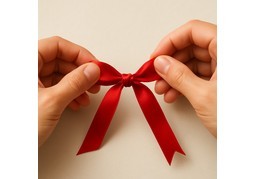
绳子被扎得很紧,解不开。shéng zi bèi zhā de hěn jǐn jiě bù kāi
The rope is tied very tightly and cannot be untied.
Firm pressure makes something stay in place, either by wrapping around it or by entering it with a point.
扎马尾辫zhā má wěi biàn
tie a ponytail
扎成辫子zhā chéng biàn zi
tie into a braid
扎紧zhā jǐn
tie tightly
绑bǎng: Using string or rope to tie things together or hold them in a bundle.
系xì: Using a string to tie and secure clothing or a decorative item.
捆kǔn: Tightly bundling luggage or other things with rope or coarse cord.
刺cì: Piercing the skin or an object with a needle or another pointed object.
把绳子、布条等围绕物体捆紧,使不松开;也可指用尖物穿入或刺入。bǎ shéng zi bù tiáo děng wéi rào wù tǐ kún jǐn shǐ bù sōng kāi yě kě zhǐ yòng jiān wù chuān rù huò cì rù
The binding sense is historically written as 紮 (zā, "bind tightly"), while 扎 (zhā, "prick") is the older piercing form, and simplification brought them together in writing.