

HSK · Level 116
45 words
Search Chinese words by characters, pinyin or English meaning.
Dictionaries
Quick links
Browse
 MotiSpiOfficial conversation app

Chinese word
Pinyinzhuài
不要拽我的衣服。bú yào zhuài wǒ de yī fú
Don't pull on my clothes.
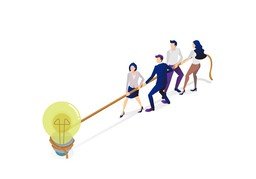
救援人员合力把伤者从车里拽出来。jiù yuán rén yuán hé lì bǎ shāng zhě cóng chē lǐ zhuāi chū lái
The rescuers worked together to pull the injured person out of the car.
Force applied to move or control something, with the same forceful attitude projected onto other people.
拽出来zhuāi chū lái
pull out
拽回来zhuāi huí lái
pull back
拽下来zhuāi xià lái
pull down
拉lā: Use force to draw a person or object closer.
扯chě: Take hold of one part and give it a strong pull.
拖tuō: Pull something along behind oneself, often across a surface.
牵qiān: Guide or draw someone or something by holding a hand or rope.
(口语)形容人傲慢、摆架子,态度趾高气扬;也可指用力拉或拖。kóu yǔ xíng róng rén ào màn bǎi jià zi tài dù zhǐ gāo qì yáng yě kě zhǐ yòng lì lā huò tuō
The concrete action 拽 (zhuāi, "to pull or drag") supplies the image of exerting control, which extends colloquially to a person who displays power arrogantly.