

HSK · Level 58
105 words
Search Chinese words by characters, pinyin or English meaning.
Dictionaries
Quick links
Browse
 MotiSpiOfficial conversation app

Chinese word
Pinyinshuān
我把狗拴在树上。wǒ bǎ gǒu shuān zài shù shàng
I tied the dog to the tree.
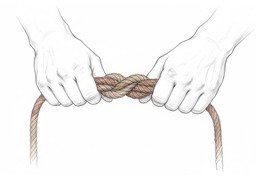
工作人员把帆船拴在码头上。gōng zuò rén yuán bǎ fān chuán shuān zài mǎ tóu shàng
The staff moored the sailboat at the dock.
A rope or chain connects an animal or object to a fixed point, keeping it there and limiting its range of movement.
拴好shuān hǎo
tie securely
拴在码头上shuān zài mǎ tóu shàng
moor at the dock
拴在柱子上shuān zài zhù zi shàng
tie to a post
系xì: Tie a string or cord around an object or piece of clothing to keep it fastened.
绑bǎng: Tie an object or person tightly with rope so movement is restricted.
固定gù dìng: Secure an object firmly in its set position so it stays still.
捆kǔn: Tie several objects together tightly with rope or cord as a bundle.
用绳、链等将物体系在某处以固定,常用于系动物或器物以限制其活动。yòng shéng liàn děng jiāng wù tǐ xì zài móu chǔ yǐ gù dìng cháng yòng yú xì dòng wù huò qì wù yǐ xiàn zhì qí huó dòng
拴 (shuān, "tie") is a phono-semantic compound of 扌 (shǒu, "hand") + 全 (quán, "whole"), with 扌 marking a hand action and 全 mainly supplying the sound.