

HSK · Level 94
45 words
Search Chinese words by characters, pinyin or English meaning.
Dictionaries
Quick links
Browse
 MotiSpiOfficial conversation app

Chinese word
Pinyinfǔ mō
妈妈经常抚摸孩子的背。mā mā jīng cháng fǔ mō hái zi de bèi
Mom often strokes her child's back.
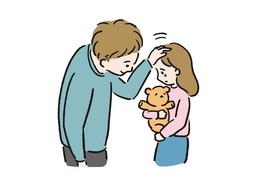
她耐心地抚摸受伤的小狗,让它慢慢放松下来。tā nài xīn dì fǔ mō shòu shāng de xiáo gǒu ràng tā màn màn fàng sōng xià lái
She patiently stroked the injured puppy, letting it slowly relax.
A gentle hand moves over a person or animal to calm, comfort, or show affection.
抚摸孩子fǔ mō hái zi
stroke children
抚摸头发fǔ mō tóu fa
stroke someone's hair
抚摸脸颊fǔ mō liǎn jiá
stroke a cheek
摸mō: Touching or feeling a person or thing with the hand, often to explore its surface.
触摸chù mō: Making contact with a surface using the hand or fingers.
拍pāi: Tapping or patting something lightly with the palm or fingers.
按àn: Applying pressure to something with the hand or fingers.
用手轻抚或触摸别人或动物的身体,多用于表示安慰、关爱或亲昵。yòng shǒu qīng fǔ huò chù mō bié rén huò dòng wù de shēn tǐ duō yòng yú biǎo shì ān wèi guān ài huò qīn nì
抚摸 (fǔmō, "to stroke") joins 抚 (fǔ, "to soothe with the hand") and 摸 (mō, "to touch"), so the compound centers on gentle contact that conveys care.