

HSK · Level 118
45 words
Search Chinese words by characters, pinyin or English meaning.
Dictionaries
Quick links
Browse
 MotiSpiOfficial conversation app

Chinese word
Pinyinyì zhì
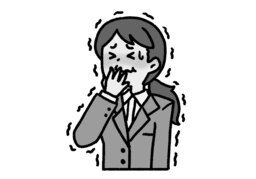
他在努力抑制自己的情绪。tā zài nǔ lì yì zhì zì jǐ de qíng xù
He is trying to control his emotions.
政府采取措施以抑制通货膨胀。zhèng fǔ cái qǔ cuò shī yǐ yì zhì tōng huò péng zhàng
The government took measures to control inflation.
An inner force is deliberately held below the level at which it can show.
抑制冲动yì zhì chōng dòng
control impulses
抑制增长yì zhì zēng zhǎng
control growth
抑制传播yì zhì chuán bō
control spread
控制kòng zhì: Adjust the movement of something or a feeling to keep it under control.
忍住rěn zhù: Make oneself endure an urge to speak or act for a short time.
克制kè zhì: Hold back desires or emotions through self-discipline instead of acting on them.
压抑yā yì: Push feelings or desires down forcefully so they remain inside.
有意识地降低或控制自己的情绪、欲望或冲动,不让其外显。yǒu yì shí dì jiàng dī huò kòng zhì zì jǐ de qíng xù yù wàng huò chōng dòng bú ràng qí wài xiǎn
抑 (yì, "press down") + 制 (zhì, "control") combines downward pressure with regulation, forming a verb for deliberately keeping a feeling, desire, or impulse from showing.