

HSK · Level 116
45 words
Search Chinese words by characters, pinyin or English meaning.
Dictionaries
Quick links
Browse
 MotiSpiOfficial conversation app

Chinese word
Pinyinbiē
孩子们常常憋着不哭。hái zi men cháng cháng biē zhe bù kū
Children often hold back their tears.
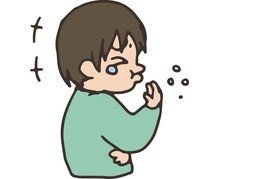
她把委屈憋在心里很久了。tā bǎ wěi qū biē zài xīn lǐ hěn jiǔ le
She kept her grievances to herself for a long time.
Pressure builds inside because a natural response is being held in instead of released.
憋住眼泪biē zhù yǎn lèi
hold back tears
憋在心里biē zài xīn lǐ
keep it to oneself
憋得慌biē de huāng
feel stifled
忍住rěn zhù: Stop a response that is about to come out, such as words, tears, or laughter.
克制kè zhì: Deliberately restrain an emotion or desire through calm self-control.
压抑yā yì: Push an emotion or desire inward and store it rather than expressing it.
控制kòng zhì: Manage an emotion or action through conscious adjustment and restraint.
用力压抑内心或身体想要发出的声音、表情或动作,使其暂时不外露或不发生。yòng lì yā yì nèi xīn huò shēn tǐ xiǎng yào fā chū de shēng yīn biǎo qíng huò dòng zuò shǐ qí zàn shí bú wài lù huò bù fā shēng
憋 (biē, "hold back") is a phono-semantic character in which 心 (xīn, "heart") marks an inward condition while 敝 (bì, "worn out") mainly indicates the sound.