

HSK · Level 13
135 words
Search Chinese words by characters, pinyin or English meaning.
Dictionaries
Quick links
Browse
 MotiSpiOfficial conversation app

Chinese word
Pinyinguài wù
别怕,怪物不存在。bié pà guài wù bù cún zài
Don't be afraid. The monster doesn't exist.
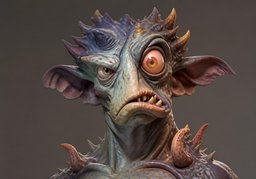
传说里,人们害怕这种怪物。chuán shuō lǐ rén men hài pà zhè zhǒng guài wù
In legends, people are afraid of this kind of monster.
A strange, frightening being or thing that stands outside the normal world.
可怕的怪物kě pà de guài wù
scary monster
传说中的怪物chuán shuō zhōng de guài wù
legendary monster
巨大的怪物jù dà de guài wù
giant monster
怪兽guài shòu: A big, strong imaginary creature from a story or film that scares people.
妖怪yāo guài: A being from folklore or legend with mysterious powers that may take human or animal form.
野兽yě shòu: A fierce, large wild animal that can attack and hurt people.
恶魔è mó: A supernatural being linked with evil that may mislead or hurt people.
外形或行为异常、引起恐惧或惊讶的生物或事物。wài xíng huò xíng wéi yì cháng yín qǐ kǒng jù huò jīng yà de shēng wù huò shì wù
怪 (guài, "strange") + 物 (wù, "thing") forms a noun for an abnormal being or thing, making unusualness central to its frightening or astonishing sense.