

HSK · Level 107
45 words
Search Chinese words by characters, pinyin or English meaning.
Dictionaries
Quick links
Browse
 MotiSpiOfficial conversation app

Chinese word
Pinyinyāo guài
听说那个村子有妖怪。tīng shuō nà ge cūn zi yǒu yāo guài
They say there is a monster in that village.
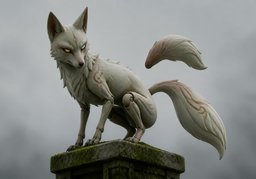
夜里有人看到妖怪出没。yè lǐ yǒu rén kàn dào yāo guài chū mò
At night, someone saw a monster roaming.
A mysterious nonhuman being whose unusual form or powers can cause wonder, trouble, or fear.
妖怪传说yāo guài chuán shuō
legend about monsters
驱赶妖怪qū gǎn yāo guài
chase away monsters
妖怪出没yāo guài chū mò
monsters roam
怪物guài wù: A strange, frightening creature with an unusual appearance or nature.
鬼guǐ: A frightening supernatural being viewed as the spirit of a dead person.
幽灵yōu líng: An eerie supernatural spirit of a dead person believed to appear.
怪兽guài shòu: A large, frightening creature found in films and stories.
指民间传说或小说中具有超自然力量、能幻化或作祟的生物或灵体。zhǐ mín jiān chuán shuō huò xiǎo shuō zhōng jù yǒu chāo zì rán lì liàng néng huàn huà huò zuò suì de shēng wù huò líng tǐ
妖 (yāo, "uncanny") + 怪 (guài, "strange") combine to name a being whose nature lies outside the ordinary world.