

Chinese Conversation · Level 32
90 words
Search Chinese words by characters, pinyin or English meaning.
Dictionaries
Quick links
Browse
 MotiSpiOfficial conversation app

Chinese word
Pinyinyì wèi
我的鞋子有异味,需要洗。wǒ de xié zi yǒu yì wèi xū yào xǐ
My shoes have a strange smell, so they need washing.
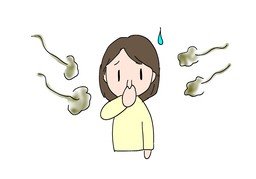
这瓶牛奶有异味,不要喝了。zhè píng niú nǎi yǒu yì wèi bú yào hē le
This bottle of milk has a strange smell, so don't drink it.
An unexpected odor that makes something seem off rather than fresh, clean, or normal.
散发异味sàn fā yì wèi
give off a strange smell
闻到异味wén dào yì wèi
notice a strange smell
异味难闻yì wèi nán wén
unpleasant-smelling strange odor
异臭yì chòu: A clearly noticeable unpleasant smell coming from a thing or a location.
臭味chòu wèi: An especially unpleasant odor linked to spoilage, decay, or grime.
霉味méi wèi: A moldy odor with a damp, stale quality.
汗味hàn wèi: An unpleasant sweat smell on the body or in clothing.
用于描述食品、衣物或空间散发出异常且令人反感的气味的名词。yòng yú miáo shù shí pǐn yī wù huò kōng jiān sàn fā chū yì cháng qiě lìng rén fán gǎn de qì wèi de míng cí
The compound 异 (yì, "different") + 味 (wèi, "smell or flavor") presents the smell as a deviation from the normal scent of its source.