

HSK · Level 118
45 words
Search Chinese words by characters, pinyin or English meaning.
Dictionaries
Quick links
Browse
 MotiSpiOfficial conversation app

Chinese word
Pinyinjū gāo lín xià
他总是以一种居高临下的态度说话。tā zǒng shì yǐ yì zhǒng jū gāo lín xià de tài dù shuō huà
He always speaks in a condescending manner.
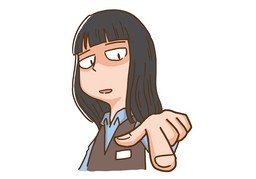
站在城墙上向下看,有一种居高临下的感觉。zhàn zài chéng qiáng shàng xiàng xià kàn yǒu yì zhǒng jū gāo lín xià de gǎn jué
When you stand on the city wall and look down, it feels like you are looking down from above.
A person speaks from an imagined higher position, treating others as people beneath their notice or authority.
采取居高临下的姿态cái qǔ jū gāo lín xià de zī tài
adopt a high-handed stance
居高临下的论调jū gāo lín xià de lùn diào
a high-handed tone
盛气凌人shèng qì líng rén: Acting forcefully and arrogantly to intimidate others into accepting one's authority.
高高在上gāo gāo zài shàng: Keeping a proud distance while acting as though one stands above others.
高傲自大gāo ào zì dà: Having an inflated sense of one's own ability or status and acting arrogantly.
目中无人mù zhōng wú rén: Showing such disregard for others that their presence seems not to matter.
用高人一等的态度对待别人,带有轻视或命令意味的说话方式或行为。yòng gāo rén yì děng de tài dù duì dài bié rén dài yǒu qīng shì huò mìng lìng yì wèi de shuō huà fāng shì huò xíng wéi
居 (jū, "to occupy") + 高 (gāo, "high") establishes an upper position, while 临 (lín, "to face") + 下 (xià, "below") completes the picture of looking down on people.