

HSK · Level 97
45 words
Search Chinese words by characters, pinyin or English meaning.
Dictionaries
Quick links
Browse
 MotiSpiOfficial conversation app

Chinese word
Pinyinchǒng
父亲总是宠女儿。fù qīn zǒng shì chǒng nǚ ér
The father always spoils his daughter.
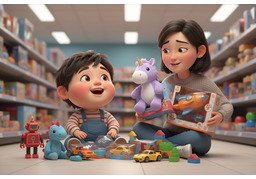
老师提醒家长不要总是宠孩子,要注意教育规则。lǎo shī tí xǐng jiā zhǎng bú yào zǒng shì chǒng hái zi yào zhù yì jiào yù guī zé
The teacher reminded parents not to always spoil their children and to pay attention to rules for raising them.
Gives one person extra affection and leniency, so ordinary limits may become unusually soft.
宠坏孩子chǒng huài hái zi
spoil a child rotten
对孩子宠爱有加duì hái zi chǒng ài yǒu jiā
shower children with affection
宠爱chǒng ài: Caring for someone with special affection and treating them as especially dear.
溺爱nì ài: Giving in too readily to someone's demands out of excessive affection.
娇惯jiāo guàn: Raising someone through indulgence until they expect their wishes to be followed.
放纵fàng zòng: Letting oneself or another person act on desires without restraint.
以优待、纵容或溺爱的方式对待某人,使其得到特殊关照或被放纵。yǐ yōu dài zòng róng huò nì ài de fāng shì duì dài mǒu rén shǐ qí dé dào tè shū guān zhào huò bèi fàng zòng
宠 (chǒng, "to dote on") is the simplified form of 寵 (chǒng, "special favor"), which referred to giving someone unusual favor and later came to include indulgent treatment.