

HSK · Level 91
45 words
Search Chinese words by characters, pinyin or English meaning.
Dictionaries
Quick links
Browse
 MotiSpiOfficial conversation app

Chinese word
Pinyinjiāo guàn
别把孩子娇惯坏了。bié bǎ hái zi jiāo guàn huài le
Don't spoil the child.
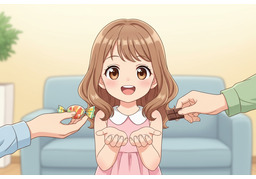
小时候被祖父母娇惯,长大后可能缺乏责任感。xiǎo shí hòu bèi zǔ fù mǔ jiāo guàn zhǎng dà hòu kě néng quē fá zé rèn gǎn
If children are spoiled by their grandparents when they are young, they may lack a sense of responsibility when they grow up.
Repeated indulgence makes a child or pet expect special treatment and depend on others.
祖父母常常娇惯孙子zǔ fù mǔ cháng cháng jiāo guàn sūn zi
grandparents often spoil their grandchildren
不要娇惯孩子的坏习惯bú yào jiāo guàn hái zi de huài xí guàn
do not indulge children's bad habits
被祖父母娇惯长大bèi zǔ fù mǔ jiāo guàn zhǎng dà
grow up spoiled by grandparents
溺爱nì ài: Giving a person more affection and indulgence than is good for that person.
宠爱chǒng ài: Treating someone with unusual affection and care because of a special fondness.
纵容zòng róng: Putting up with wrongdoing or selfish behavior instead of stopping it.
迁就qiān jiù: Giving in to another person's wishes by adjusting personal behavior or views.
把孩子或宠物等过分地溺爱,使其养成任性或依赖的习惯。bǎ hái zi huò chǒng wù děng guò fèn dì nì ài shǐ qí yǎng chéng rèn xìng huò yī lài de xí guàn
娇惯 (jiāoguàn, "to spoil") combines 娇 (jiāo, "pampered") with 惯 (guàn, "to indulge or become accustomed to"), linking affection with a lasting habit.