

Chinese Conversation · Level 32
90 words
Search Chinese words by characters, pinyin or English meaning.
Dictionaries
Quick links
Browse
 MotiSpiOfficial conversation app

Chinese word
Pinyincún fàng
你可以把包裹存放在前台吗?nǐ ké yǐ bǎ bāo guǒ cún fàng zài qián tái ma
Can you store the package at the front desk?
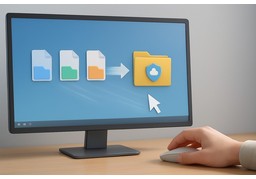
他把旧书存放在阁楼里多年。tā bǎ jiù shū cún fàng zài gé lóu lǐ duō nián
He has stored old books in the attic for years.
Places something into safekeeping, with both the location and the continued keeping of the item in view.
存放在云端cún fàng zài yún duān
store in the cloud
存放证件cún fàng zhèng jiàn
store ID documents
存放于仓库cún fàng yú cāng kù
store in a warehouse
保存bǎo cún: Keep something safe from damage or loss for a long time.
存储cún chǔ: Put items or data in a particular place or device so they can be retrieved later.
放置fàng zhì: Leave something where it is without special care or attention.
寄存jì cún: Leave belongings with a facility or person for temporary safekeeping.
把东西放置在安全或指定的地方以便保存和管理。bǎ dōng xī fàng zhì zài ān quán huò zhǐ dìng de dì fāng yǐ biàn bǎo cún hé guán lǐ
The compound 存放 (cúnfàng, "store") is built from 存 (cún, "keep") + 放 (fàng, "put"), connecting preservation with placement.