

Chinese Conversation · Level 58
90 words
Search Chinese words by characters, pinyin or English meaning.
Dictionaries
Quick links
Browse
 MotiSpiOfficial conversation app

Chinese word
Pinyinfàng zhì
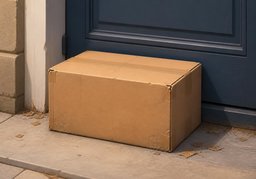
不要把垃圾放置在门口,影响清洁。bú yào bǎ lā jī fàng zhì zài mén kǒu yíng xiǎng qīng jié
Don't leave the trash at the door, as it gets in the way of cleaning.
不要把易腐食品放置在室温下太久。bú yào bǎ yì fǔ shí pǐn fàng zhì zài shì wēn xià tài jiǔ
Do not leave perishable food at room temperature for too long.
An object is put aside and remains where it lands instead of being cleared, arranged, or moved.
放置一旁fàng zhì yì páng
leave aside
放置在仓库fàng zhì zài cāng kù
leave in a warehouse
放置过久fàng zhì guò jiǔ
leave for too long
搁置gē zhì: Putting a matter aside for a while instead of dealing with it.
忽视hū shì: Ignoring something by giving it no attention or concern.
放任fàng rèn: Letting people or situations act freely without control or guidance.
置之不理zhì zhī bù lǐ: Leaving a problem or person unattended instead of responding.
把物品随意放在某处而不去整理或移动,使其长期处于原位或被忽视。bǎ wù pǐn suí yì fàng zài mǒu chù ér bú qù zhéng lǐ huò yí dòng shǐ qí cháng qī chǔ yú yuán wèi huò bèi hū shì
放 (fàng, "let go") + 置 (zhì, "place") presents the image of placing something down and then letting it stay, which develops into the sense of leaving it neglected.