

Chinese Conversation · Level 39
90 words
Search Chinese words by characters, pinyin or English meaning.
Dictionaries
Quick links
Browse
 MotiSpiOfficial conversation app

Chinese word
Pinyinxián
很多人嫌吃青菜。hěn duō rén xián chī qīng cài
Many people dislike eating leafy greens.
小孩嫌衣服太紧,就不停地扯着领口。xiǎo hái xián yī fú tài jǐn jiù bù tíng dì chě zhe líng kǒu
The child dislikes clothes that are too tight, so they keep tugging at the collar.
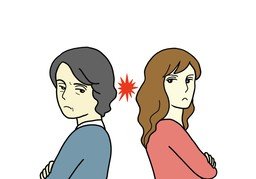
Keeps something at a distance because it feels unpleasant, troublesome, or hard to accept.
嫌麻烦xián má fán
dislike trouble
嫌吵闹xián chǎo nào
dislike noise
嫌热xián rè
dislike heat
讨厌tǎo yàn: Finds a person or thing unpleasant or annoying enough to want to reject it or stay away.
不喜欢bù xǐ huān: Lacks liking, interest, or warm feelings toward something.
厌恶yàn wù: Feels powerful disgust toward a person or thing and cannot accept it.
反感fán gǎn: Has an unpleasant reaction to a person or thing and feels no goodwill toward it.
觉得某事物令人不舒服或厌烦,从而产生抵触情绪并倾向于避开或反对。jué de mǒu shì wù lìng rén bù shū fú huò yàn fán cóng ér chǎn shēng dǐ chù qíng xù bìng qīng xiàng yú bì kāi huò fǎn duì
嫌 (xián, "dislike or suspect") developed around finding fault with someone or something, which connects aversion with suspicion.