

Chinese Conversation · Level 54
90 words
Search Chinese words by characters, pinyin or English meaning.
Dictionaries
Quick links
Browse
 MotiSpiOfficial conversation app

Chinese word
Pinyintǎo yàn
我讨厌你。wǒ tǎo yàn nǐ
I hate you.
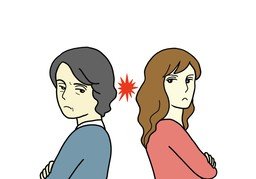
我讨厌他总是迟到。wǒ tǎo yàn tā zǒng shì chí dào
I hate that he is always late.
A strong feeling that a person or thing is unwanted because it causes discomfort, irritation, or boredom.
讨厌别人tǎo yàn bié rén
hate other people
讨厌做家务tǎo yàn zuò jiā wù
hate doing housework
讨厌这个菜tǎo yàn zhè ge cài
hate this dish
不喜欢bù xǐ huān: To not like someone or something without necessarily feeling strong anger or disgust.
反感fán gǎn: To feel an aversion toward someone or something and want to keep some distance.
厌恶yàn wù: To feel intense disgust toward someone or something and find it unacceptable.
嫌弃xián qì: To look down on or avoid someone or something as inferior or undesirable.
对人或事感到反感或不喜欢,认为令人不愉快或厌烦。duì rén huò shì gǎn dào fán gǎn huò bù xǐ huān rèn wéi lìng rén bù yú kuài huò yàn fán
讨 (tǎo, "provoke or trouble") + 厌 (yàn, "dislike") forms a compound for reacting negatively to someone or something.