

Chinese Conversation · Level 26
90 words
Search Chinese words by characters, pinyin or English meaning.
Dictionaries
Quick links
Browse
 MotiSpiOfficial conversation app

Chinese word
Pinyinqǔ zǒu
他把垃圾取走了。tā bǎ lā jī qǔ zǒu le
He took the trash away.
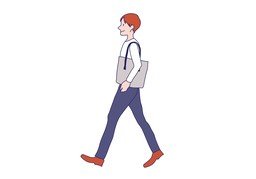
他把钥匙取走了,我打不开门。tā bǎ yào shi qǔ zǒu le wǒ dǎ bù kāi mén
He took the keys away, and I can't open the door.
A person gets an item out of its place and moves it elsewhere by retrieving, carrying, or clearing it away.
把钥匙取走bǎ yào shi qǔ zǒu
take the keys away
把包裹取走bǎ bāo guǒ qǔ zǒu
take the package away
把手机取走bǎ shǒu jī qǔ zǒu
take the phone away
拿走ná zǒu: Taking an item away after getting hold of it by hand.
带走dài zǒu: Carrying a person or item away to a different place.
收走shōu zǒu: Gathering items and removing them from their current place.
搬走bān zǒu: Carrying or transporting heavy items, furniture, or other bulky things away.
把某物从原处取走,侧重回收或搬离的动作,常用于表示收回、搬运或清理。bǎ mǒu wù cóng yuán chù qǔ zǒu cè zhòng huí shōu huò bān lí de dòng zuò cháng yòng yú biǎo shì shōu huí bān yùn huò qīng lǐ
取 (qǔ, "take") contributes getting hold of something, while 走 (zǒu, "go away") adds movement away, so the compound presents taking as removal.