

Chinese Conversation · Level 54
90 words
Search Chinese words by characters, pinyin or English meaning.
Dictionaries
Quick links
Browse
 MotiSpiOfficial conversation app

Chinese word
Pinyinzhàn zuò
请不要在图书馆占座。qǐng bú yào zài tú shū guǎn zhàn zuò
Please don't save seats in the library.
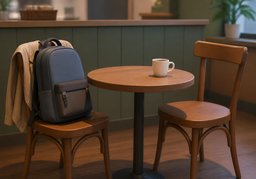
地铁里有人用水杯占座,让座的人很少。dì tiě lǐ yǒu rén yòng shuǐ bēi zhàn zuò ràng zuò de rén hén shǎo
Someone is using a cup to save a seat on the subway, and few people give up their seats.
An empty seat is treated as occupied because a person or belonging has marked it for later use.
占座位zhàn zuò wèi
save a seat
别占座bié zhàn zuò
don't save seats
用包占座yòng bāo zhàn zuò
use a bag to save a seat
占位zhàn wèi: Occupy a place or spot ahead of time with a person or belonging.
占座位zhàn zuò wèi: Sit in a seat early so the place stays yours.
留座liú zuò: Reserve a seat for a return visit by leaving a belonging there while away.
抢座qiǎng zuò: Grab a sought-after seat quickly before anyone else takes it.
在公共场所先用身体或物品占住座位以保留位置的行为zài gōng gòng cháng suǒ xiān yòng shēn tǐ huò wù pǐn zhàn zhù zuò wèi yǐ bǎo liú wèi zhì de xíng wéi
占座 (zhànzuò, "save a seat") combines 占 (zhàn, "occupy") and 座 (zuò, "seat"), so it means occupying a seat in advance to keep it for later.