

Chinese Conversation · Level 64
90 words
Search Chinese words by characters, pinyin or English meaning.
Dictionaries
Quick links
Browse
 MotiSpiOfficial conversation app

Chinese word
Pinyinzhàn wèi
你先走,我去给你占位。nǐ xiān zǒu wǒ qù gěi nǐ zhàn wèi
Go ahead. I'll save you a seat.
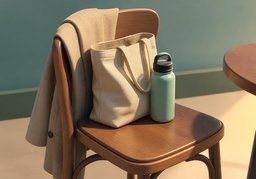
上课前,老师让学生不要随意占位。shàng kè qián lǎo shī ràng xué shēng bú yào suí yì zhàn wèi
Before class, the teacher told the students not to save seats as they pleased.
Treats a seat or spot as temporarily claimed before someone else can take it.
我帮你占位wǒ bāng nǐ zhàn wèi
save a seat for you
请帮我占位一下qǐng bāng wǒ zhàn wèi yí xià
save a seat for me
先给孩子占位xiān gěi hái zi zhàn wèi
save the child a seat first
占座zhàn zuò: Claim a seat by taking it first or leaving something on it.
留座liú zuò: Save a seat so a particular person can use it later.
订位dìng wèi: Book a seat ahead of time through a restaurant or other facility.
抢位qiǎng wèi: Grab a seat or spot quickly before it goes to someone else.
通过放置物品、派人或先到的方式,临时锁定某个座位或位置,防止被他人占用。tōng guò fàng zhì wù pǐn pài rén huò xiān dào de fāng shì lín shí suǒ dìng mǒu gè zuò wèi huò wèi zhì fáng zhǐ bèi tā rén zhàn yòng
占 (zhàn, "take up") + 位 (wèi, "place") combines the act of claiming space with the place claimed, giving the everyday sense of reserving a spot.