

Chinese Conversation · Level 1
86 words
Search Chinese words by characters, pinyin or English meaning.
Dictionaries
Quick links
Browse
 MotiSpiOfficial conversation app

Chinese word
Pinyinbù shū fú
我今天不舒服,想休息。wǒ jīn tiān bù shū fú xiǎng xiū xī
I am feeling unwell today, so I want to rest.
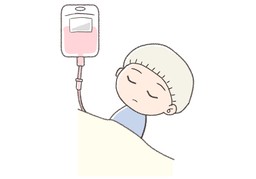
吃了辣的东西后,他的胃有点不舒服。chī le là de dōng xī hòu tā de wèi yóu diǎn bù shū fú
After eating spicy food, his stomach feels a little uncomfortable.
The body or mind is out of its usual comfortable balance, without necessarily being seriously ill.
有点不舒服yóu diǎn bù shū fú
feel a little unwell
胃不舒服wèi bù shū fú
an uncomfortable stomach
睡觉时不舒服shuì jiào shí bù shū fú
feel uncomfortable while sleeping
难受nán shòu: Feeling physically or emotionally distressed and unable to feel at ease.
累lèi: Lacking energy and strength because of physical or mental tiredness.
不适bú shì: A state of physical discomfort or an unusual bodily sensation.
头晕tóu yūn: Feeling dizzy or light-headed, as if the body is unsteady.
表示身体或精神感到不舒适或无法正常活动,常见于口语,通常指程度较轻的不适。biǎo shì shēn tǐ huò jīng shén gǎn dào bù shū shì huò wú fǎ zhèng cháng huó dòng cháng jiàn yú kóu yǔ tōng cháng zhǐ chéng dù jiào qīng de bú shì
不 (bù, "not") placed before 舒服 (shūfu, "comfortable") creates 不舒服 (bùshūfú, "uncomfortable"), a compound that marks comfort as absent.