

Chinese Conversation · Level 61
90 words
Search Chinese words by characters, pinyin or English meaning.
Dictionaries
Quick links
Browse
 MotiSpiOfficial conversation app

Chinese word
Pinyinnèi xiàng
内向的人不太爱在聚会上说话。nèi xiàng de rén bú tài ài zài jù huì shàng shuō huà
Introverted people do not talk much at parties.
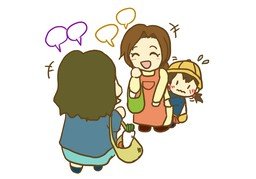
小时候他很内向,不太愿意和陌生人说话。xiǎo shí hòu tā hěn nèi xiàng bú tài yuàn yì hé mò shēng rén shuō huà
When he was young, he was very introverted and did not really want to talk to strangers.
A personality that keeps attention and expression turned inward, favoring quiet settings or familiar company.
内向的人nèi xiàng de rén
introverted people
有点内向yóu diǎn nèi xiàng
somewhat introverted
内向的性格nèi xiàng de xìng gé
introverted personality
内敛nèi liǎn: A calm, restrained manner that rarely shows feelings or thoughts openly.
腼腆mián tiǎn: A shy, bashful manner that makes a person hesitant around others.
害羞hài xiū: A brief embarrassed reaction that can bring blushing or sudden silence.
孤僻gū pì: A personality that prefers being alone, avoids others, and seems hard to approach.
偏好独处或小范围交流,不习惯在大型聚会或陌生人面前主动表达自己。piān hào dú chǔ huò xiǎo fàn wéi jiāo liú bù xí guàn zài dà xíng jù huì huò mò shēng rén miàn qián zhǔ dòng biǎo dá zì jǐ
内向 (nèixiàng, "introverted") combines 内 (nèi, "inside") + 向 (xiàng, "turn toward"), forming the image of a personality oriented inward rather than toward constant outward expression.