

Chinese Conversation · Level 73
90 words
Search Chinese words by characters, pinyin or English meaning.
Dictionaries
Quick links
Browse
 MotiSpiOfficial conversation app

Chinese word
Pinyingòng míng
我对他的想法有共鸣。wǒ duì tā de xiáng fǎ yǒu gòng míng
His ideas resonate with me.
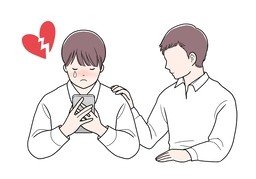
这首歌在听众中产生了共鸣。zhè shǒu gē zài tīng zhòng zhōng chǎn shēng le gòng míng
This song resonated with the audience.
An inner echo that forms when another person's experience, emotion, or view connects with one's own.
产生共鸣chǎn shēng gòng míng
create resonance
引起共鸣yín qǐ gòng míng
evoke resonance
引发共鸣yǐn fā gòng míng
spark resonance
同感tóng gǎn: Sharing another person's feeling or opinion.
认同rèn tóng: Acceptance of another person's way of thinking or values.
同情tóng qíng: Feeling sorry for someone who is suffering or in trouble.
理解lí jiě: Knowing what another person is feeling or going through.
对他人的话语、经历或情感产生理解或同感,在情绪或观点上与其产生呼应。duì tā rén de huà yǔ jīng lì huò qíng gǎn chǎn shēng lí jiě huò tóng gǎn zài qíng xù huò guān diǎn shàng yǔ qí chǎn shēng hū yìng
共鸣 (gòngmíng, "resonance") is built from 共 (gòng, "together") + 鸣 (míng, "sound"), linking shared sound with the later sense of a shared emotional or intellectual response.