

HSK · Level 86
45 words
Search Chinese words by characters, pinyin or English meaning.
Dictionaries
Quick links
Browse
 MotiSpiOfficial conversation app

Chinese word
Pinyinjiāng
天气冷,我的手僵了。tiān qì lěng wǒ de shǒu jiāng le
It's cold, and my hand stiffened.
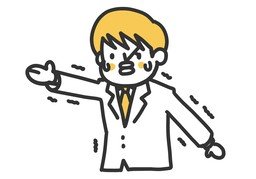
听到那个笑话,她的表情一下僵住了。tīng dào nà ge xiào huà tā de biǎo qíng yí xià jiāng zhù le
When she heard that joke, her expression suddenly froze.
The body's movement gets stuck in place instead of flowing normally, so a limb or muscle cannot respond easily.
表情僵住biǎo qíng jiāng zhù
expression freeze
脸僵住liǎn jiāng zhù
face freeze
冻僵dòng jiāng: The body or a limb becomes stiff and unable to move after being exposed to extreme cold.
发麻fā má: Poor circulation or staying in one position causes a body part to lose feeling and become numb.
抽筋chōu jīn: A muscle contracts suddenly and painfully, so part of the body becomes difficult to move.
身体因受凉、紧张或久坐等导致某处变得僵硬,动作受阻,用于表示四肢或肌肉不灵活的状态。shēn tǐ yīn shòu liáng jǐn zhāng huò jiǔ zuò děng dǎo zhì mǒu chù biàn de jiāng yìng dòng zuò shòu zǔ yòng yú biǎo shì sì zhī huò jī ròu bù líng huó de zhuàng tài
僵 (jiāng, "to stiffen") follows the Chinese phonetic-compound pattern, joining 亻 (rén, "person") with the sound-bearing component 畺 (jiāng, "border") for a word linked to bodily stiffness.