

HSK · Level 74
60 words
Search Chinese words by characters, pinyin or English meaning.
Dictionaries
Quick links
Browse
 MotiSpiOfficial conversation app

Chinese word
Pinyinsōng chí
经过休息,她的神经终于松弛下来。jīng guò xiū xī tā de shén jīng zhōng yú sōng chí xià lái
After she rested, her nerves finally relaxed.
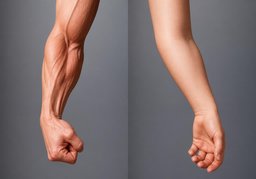
剧烈运动后,肌肉会松弛。jù liè yùn dòng hòu jī ròu huì sōng chí
After strenuous exercise, the muscles relax.
Force that keeps something taut gradually weakens, whether the subject is a body, a system, or an abstract condition.
肌肉松弛jī ròu sōng chí
muscles relax
松弛下来sōng chí xià lái
relax
放松fàng sōng: Loosen physical or mental tension on purpose and become calm and comfortable.
缓和huǎn hé: Make tension, conflict, or a situation less severe and more peaceful.
缓解huán jiě: Make pain or illness symptoms weaker and the resulting discomfort lighter.
多用于书面或专业语境,表示肌肉、组织或系统由紧张向放松或缓和的转变,也可用于抽象状态的弛缓。duō yòng yú shū miàn huò zhuān yè yǔ jìng biǎo shì jī ròu zǔ zhī huò xì tǒng yóu jǐn zhāng xiàng fàng sōng huò huǎn hé de zhuǎn biàn yě kě yòng yú chōu xiàng zhuàng tài de chí huǎn
松 (sōng, "loose") + 弛 (chí, "slacken") form a compound whose two parts directly point to the release of tightness in a body or state.