

HSK · Level 15
135 words
Search Chinese words by characters, pinyin or English meaning.
Dictionaries
Quick links
Browse
 MotiSpiOfficial conversation app

Chinese word
Pinyinjuè
小孩太倔,不和别人玩。xiǎo hái tài juè bù hé bié rén wán
The child is too stubborn and does not play with other children.
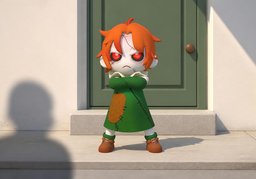
她遇到困难时越发倔,坚持自己的方法。tā yù dào kùn nán shí yuè fā jué jiān chí zì jǐ de fāng fǎ
When she faces difficulties, she becomes increasingly stubborn and insists on her own way.
A person whose chosen course stays firm even when others expect a change of opinion or behavior.
倔脾气jué pí qì
stubborn temper
有点儿倔yóu diǎnr jué
a little stubborn
越来越倔yuè lái yuè jué
increasingly stubborn
固执gù zhí: Refuses to change personal opinions or methods, even when others offer advice.
顽固wán gù: Remains fixed in old views and will not yield, with a strongly negative sense.
倔强jué jiàng: Stands firmly by personal beliefs and does not bend easily, often showing strong resolve.
任性rèn xìng: Does whatever feels right personally and pays little attention to what others think.
在意见或行动上坚持己见,不轻易让步,显示出倔强的性格。zài yì jiàn huò xíng dòng shàng jiān chí jǐ jiàn bù qīng yì ràng bù xiǎn shì chū jué jiàng de xìng gé
In 倔 (jué, "stubborn"), 人 (rén, "person") marks a human trait and 屈 (qū, "bend or yield") serves chiefly as the phonetic component, giving a compact image of a person who will not yield.