

HSK · Level 26
135 words
Search Chinese words by characters, pinyin or English meaning.
Dictionaries
Quick links
Browse
 MotiSpiOfficial conversation app

Chinese word
Pinyinwán gù
他对自己的意见很顽固,很难改变。tā duì zì jǐ de yì jiàn hěn wán gù hěn nán gǎi biàn
He is very stubborn about his own opinion, and it is hard to change his mind.
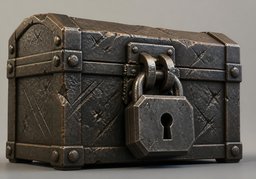
这种旧观念很顽固,短时间内难以改变。zhè zhǒng jiù guān niàn hěn wán gù duǎn shí jiān nèi nán yǐ gǎi biàn
This old idea is very stubborn and difficult to change in a short time.
A position held so firmly that persuasion, evidence, or change cannot easily move it.
顽固的性格wán gù de xìng gé
stubborn character
顽固的态度wán gù de tài dù
stubborn attitude
固执gù zhí: Not wanting to change personal views or behavior and being unwilling to listen to others.
倔强jué jiàng: Standing firmly by personal beliefs and showing a strong refusal to yield.
死板sí bǎn: Treating ideas or methods as fixed and failing to adapt them when circumstances change.
用于形容人或事物坚持原有想法或做法,不容易被说服或改变,常带有否定评价。yòng yú xíng róng rén huò shì wù jiān chí yuán yǒu xiáng fǎ huò zuò fǎ bù róng yì bèi shuō fú huò gǎi biàn cháng dài yǒu fǒu dìng píng jià
顽固 (wángù, "stubborn") combines 顽 (wán, "obstinate") + 固 (gù, "firm or fixed"), so its parts reinforce the sense of holding fast without changing.