

HSK · Level 73
60 words
Search Chinese words by characters, pinyin or English meaning.
Dictionaries
Quick links
Browse
 MotiSpiOfficial conversation app

Chinese word
Pinyinqīn fàn
不要侵犯别人的权利。bú yào qīn fàn bié rén de quán lì
Do not violate other people's rights.
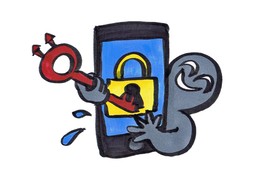
未经同意,不得随意侵犯他人的隐私。wèi jīng tóng yì bù dé suí yì qīn fàn tā rén de yǐn sī
Do not casually infringe on other people's privacy without their consent.
A protected boundary is crossed, and what belongs to another person is harmed.
侵犯权利qīn fàn quán lì
infringe on rights
侵犯隐私qīn fàn yǐn sī
infringe on privacy
侵犯知识产权qīn fàn zhī shí chǎn quán
infringe on intellectual property rights
侵害qīn hài: Damaging another person's lawful rights or interests through wrongful action.
侵占qīn zhàn: Illegally occupying another person's land or taking their property for personal use.
损害sǔn hài: Bringing harm or loss to things, rights, or a person's reputation.
以非法或不当手段损害他人的合法权益、名誉或隐私。yǐ fēi fǎ huò bú dàng shǒu duàn sǔn hài tā rén de hé fǎ quán yì míng yù huò yǐn sī
The compound 侵犯 (qīnfàn, "to violate") joins 侵 (qīn, "encroach on") + 犯 (fàn, "break or offend"), linking entry into another's sphere with wrongdoing against it.