

Chinese Conversation · Level 8
90 words
Search Chinese words by characters, pinyin or English meaning.
Dictionaries
Quick links
Browse
 MotiSpiOfficial conversation app

Chinese word
Pinyintǐ ruò
体弱的孩子要注意营养。tǐ ruò de hái zi yào zhù yì yíng yǎng
Children who are physically weak should pay attention to nutrition.
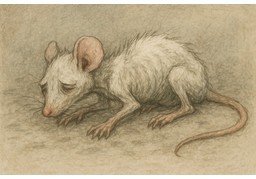
他因为体弱,经常感冒。tā yīn wèi tǐ ruò jīng cháng gǎn mào
Because he is physically weak, he often catches colds.
A body whose basic strength is low, so illness comes easily and recovery takes time.
体弱的人tǐ ruò de rén
people who are physically weak
显得体弱xiǎn de tǐ ruò
appear physically weak
有点儿体弱yóu diǎnr tǐ ruò
be a little physically weak
虚弱xū ruò: Describes a body with little strength or resistance, so energy is low and sickness comes easily.
多病duō bìng: Means having frequent illnesses and generally unsteady health.
身体不好shēn tǐ bù hǎo: A conversational expression for being unhealthy and prone to illness.
体质虚弱tǐ zhì xū ruò: Describes a physically weak constitution with low resistance to disease.
指长期或先天性体质虚弱,常表现为容易生病、恢复缓慢的身体状况。zhǐ cháng qī huò xiān tiān xìng tǐ zhì xū ruò cháng biǎo xiàn wèi róng yì shēng bìng huī fù huǎn màn de shēn tǐ zhuàng kuàng
体 (tǐ, "body") + 弱 (ruò, "weak") combines to describe a body with persistently low physical strength.