

Chinese Conversation · Level 53
90 words
Search Chinese words by characters, pinyin or English meaning.
Dictionaries
Quick links
Browse
 MotiSpiOfficial conversation app

Chinese word
Pinyinshāng shì
告诉我你的伤势怎么样?gào sù wǒ nǐ de shāng shì zěn me yàng
Can you tell me how serious your injury is?
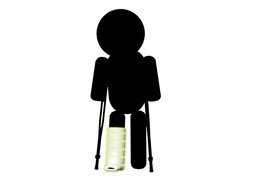
经过抢救,他的伤势稳定下来。jīng guò qiǎng jiù tā de shāng shì wěn dìng xià lái
After emergency treatment, his injury stabilized.
A measure of an injury as a whole, including its physical damage and its effect on the body.
伤势严重shāng shì yán zhòng
serious injury
伤势恶化shāng shì è huà
injury deteriorates
伤势稳定shāng shì wěn dìng
injury is stable
伤口shāng kǒu: A cut, split, or tear in the skin that can be seen.
外伤wài shāng: A physical injury resulting from an external blow, cut, or other force.
内伤nèi shāng: An injury inside the body, including damage or bleeding that is not visible.
伤害shāng hài: The causing of physical or emotional harm, or the harm that results.
伤势 指受伤后的情况,表示伤口、出血、疼痛和功能受损等的轻重与范围。shāng shì zhǐ shòu shāng hòu de qíng kuàng biǎo shì shāng kǒu chū xuè téng tòng hé gōng néng shòu sǔn děng de qīng zhòng yǔ fàn wéi
伤 (shāng, "injury") identifies the damage, while 势 (shì, "state or extent") adds the idea of how far it reaches and how serious it is.