

Chinese Conversation · Level 9
90 words
Search Chinese words by characters, pinyin or English meaning.
Dictionaries
Quick links
Browse
 MotiSpiOfficial conversation app

Chinese word
Pinyinbù xīn xiān
这菜不新鲜,别买了。zhè cài bù xīn xiān bié mǎi le
This vegetable isn't fresh, so don't buy it.
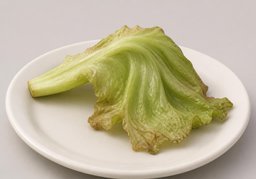
这批水果放久了,已经不新鲜了。zhè pī shuí guǒ fàng jiǔ le yǐ jīng bù xīn xiān le
This batch of fruit has been sitting for too long and is no longer fresh.
Something has lost its lively, newly made quality, whether it is food or an idea.
不新鲜的菜bù xīn xiān de cài
food that isn't fresh
不新鲜的水果bù xīn xiān de shuí guǒ
fruit that isn't fresh
不新鲜的肉bù xīn xiān de ròu
meat that isn't fresh
变质biàn zhì: Changed from its original good condition because its quality has deteriorated.
过期guò qī: Beyond the stated date for safe use or good quality.
发霉fā méi: Showing mold on the surface after becoming unsuitable to eat or use.
腐烂fǔ làn: Badly decomposed, with a soft texture and strong unpleasant smell.
用于表示食物等的鲜度下降,颜色或气味变差,不宜食用;也可泛指事物缺乏新颖感。yòng yú biǎo shì shí wù děng de xiān dù xià jiàng yán sè huò qì wèi biàn chà bù yí shí yòng yě kě fàn zhǐ shì wù quē fá xīn yǐng gǎn
不 (bù, "not") + 新 (xīn, "new") + 鲜 (xiān, "fresh") forms a direct negative expression for lost freshness and extends naturally to a lack of novelty.