

Chinese Conversation · Level 56
90 words
Search Chinese words by characters, pinyin or English meaning.
Dictionaries
Quick links
Browse
 MotiSpiOfficial conversation app

Chinese word
Pinyinbiàn zhì
这肉放久了会变质。zhè ròu fàng jiǔ le huì biàn zhì
This meat will go bad if it is kept for too long.
很多水果在高温下容易变质。hěn duō shuí guǒ zài gāo wēn xià róng yì biàn zhì
Many fruits easily spoil at high temperatures.
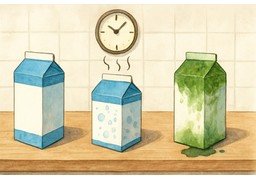
A thing's basic quality changes until it is spoiled or no longer fit for its original use.
肉类变质ròu lèi biàn zhì
meat spoils
牛奶变质niú nǎi biàn zhì
milk spoils
容易变质róng yì biàn zhì
easy to spoil
坏掉huài diào: Become damaged and no longer usable in the way they were before.
腐烂fǔ làn: Break down and rot as bacteria or mold cause major changes in smell and appearance.
发霉fā méi: Grow mold on the surface, causing the item's quality or appearance to worsen.
变味biàn wèi: Take on an unpleasantly different taste with time or poor storage.
因时间、温度、湿度或微生物等因素,食品或其他物品的性质发生改变,出现腐败或性能下降,不能按原来用途使用。yīn shí jiān wēn dù shī dù huò wēi shēng wù děng yīn sù shí pǐn huò qí tā wù pǐn de xìng zhì fā shēng gǎi biàn chū xiàn fǔ bài huò xìng néng xià jiàng bù néng àn yuán lái yòng tú shǐ yòng
The characters 变 (biàn, "change") + 质 (zhì, "quality or underlying nature") show a change in an object's basic quality, which explains the word's use for spoilage and loss of function.