


English–Chinese
“without permission” in Chinese
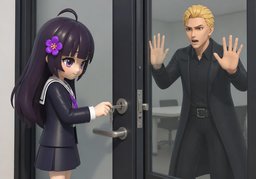
How to say “without permission” in Chinese
“Without permission” in Chinese is 私自 (sī zì).
A decision or action stays with one individual instead of passing through the people entitled to approve it.
Example sentences with 私自
他私自更改了合同条款,导致双方争议。tā sī zì gēng gǎi le hé tóng tiáo kuǎn dǎo zhì shuāng fāng zhēng yì
He changed the contract terms without permission, causing a dispute between both parties.
Tips for using 私自
- As an adverb, it normally modifies an action or decision rather than a person, so it describes what someone does instead of labeling someone's character.
Other Chinese words for “without permission”

我们擅自进入了他的房间,结果被批评了。wǒ men shàn zì jìn rù le tā de fáng jiān jié guǒ bèi pī píng le
We entered his room without permission and were criticized as a result.