

Chinese Conversation · Level 62
90 words
Search Chinese words by characters, pinyin or English meaning.
Dictionaries
Quick links
Browse
 MotiSpiOfficial conversation app

Chinese word
Pinyinsī zì
别让他私自做决定。bié ràng tā sī zì zuò jué dìng
Don't let him make a decision without permission.
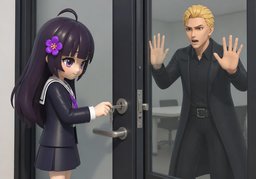
他私自更改了合同条款,导致双方争议。tā sī zì gēng gǎi le hé tóng tiáo kuǎn dǎo zhì shuāng fāng zhēng yì
He changed the contract terms without permission, causing a dispute between both parties.
A decision or action stays with one individual instead of passing through the people entitled to approve it.
私自做决定sī zì zuò jué dìng
make a decision without permission
私自做主sī zì zuò zhǔ
decide on one's own
私自更改sī zì gēng gǎi
change without permission
私自占用sī zì zhàn yòng
occupy without permission
擅自shàn zì: Carrying out an action independently despite lacking the authority to do so.
未经许可或未征求他人意见就单方面做出决定或采取行动。wèi jīng xú kě huò wèi zhēng qiú tā rén yì jiàn jiù dān fāng miàn zuò chū jué dìng huò cái qǔ xíng dòng
The compound 私 (sī, "private") + 自 (zì, "self") presents an action as private and self-directed, giving it the sense of acting outside an agreed authority.