


English–Chinese
“strong” in Chinese
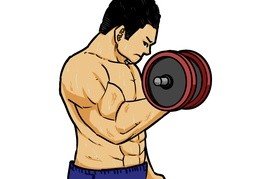
How to say “strong” in Chinese
“Strong” in Chinese is 强 (qiáng).
A force that holds its ground, overcomes resistance, and handles difficult demands.
Example sentences with 强
比赛中,对手比他更强。bǐ sài zhōng duì shǒu bǐ tā gèng qiáng
In the competition, his opponent is stronger than him.
Tips for using 强
- In everyday conversation, a broad judgment of strength can sound vague, so speakers often name the area, such as a skill, physical condition, or position of influence.
Other Chinese words for “strong”

这杯咖啡浓吗?zhè bēi kā fēi nóng ma
Is this coffee strong?

经历了困难后,他变得更坚强。jīng lì le kùn nán hòu tā biàn de gèng jiān qiáng
After going through difficulties, he became stronger.

这两种味道差别很强烈。zhè liáng zhǒng wèi dào chā bié hěn qiáng liè
The difference between these two flavors is very pronounced.

他看起来很健壮。tā kàn qǐ lái hěn jiàn zhuàng
He looks very strong.

这段时间公司业绩强劲,年底奖金会多。zhè duàn shí jiān gōng sī yè jì qiáng jìng nián dǐ jiǎng jīn huì duō
During this period, the company's performance is strong, so the year-end bonus will be larger.

孩子看起来很强壮。hái zi kàn qǐ lái hěn qiáng zhuàng
The child looks very strong.

他对工作的热情很旺盛。tā duì gōng zuò de rè qíng hěn wàng shèng
His enthusiasm for work is strong.

他提供了有力的证据。tā tí gōng le yǒu lì de zhèng jù
He provided strong evidence.

浓重的香味让我想起家。nóng zhòng de xiāng wèi ràng wǒ xiáng qǐ jiā
The strong aroma made me think of home.